Why GTM Engineering Matters More Than Ever (Part 2)
B2B go-to-market is no longer about running campaigns and hoping revenue follows. Part 2 of the GTM Engineering Q&A series moves from what it is to how it actually works across ads, data, AI, and team structure.
Why GTM Engineering Matters More Than Ever
B2B go-to-market (GTM) is no longer about running campaigns, pushing leads to sales, and hoping revenue follows. Buyers have changed, and the old playbook can't keep up with them.
Today's buyers are:
- More independent
- More informed
- Less responsive to traditional marketing
- Engaging across many channels simultaneously
At the same time, revenue teams face intense pressure to:
- Grow faster
- Spend smarter
- Prove ROI
- Align marketing, sales, and data
This gap between buyer behavior and traditional GTM execution is exactly why GTM Engineering has emerged.
In Part 2 of the GTM Engineering Q&A series, the focus shifts from what GTM engineering is to how it actually works in practice — especially across performance advertising, data infrastructure, AI and automation, team structure, and measurement and predictability.

What Is GTM Engineering? (Quick Recap)
GTM Engineering is the practice of designing and operating systems that connect buyer signals, CRM and data platforms, automation workflows, AI decision-making, and marketing and sales execution.
“Instead of asking "What campaign should we run next?", GTM engineering asks "What signals matter, and how do we automatically act on them at scale?"”
How GTM Engineering Improves Performance Advertising
Historically, performance ads and revenue teams have been disconnected. Ads teams focused on clicks, impressions, and CPL, while sales teams focused on opportunities, deals, and revenue.
The connection between ad spend and revenue was weak, slow, and manual.
This created:
- Wasted ad budgets
- Poor attribution
- Slow learning cycles
CRM Match Audiences: The Foundation
- Your CRM already contains your best data: leads, prospects, opportunities, and customers.
- With GTM engineering, this data is synced automatically to ad platforms.
- It is updated continuously as records change.
- It is segmented dynamically into meaningful audiences.

Examples of CRM-Based Ad Segments
- Past customers → reactivation campaigns
- Open deals → deal acceleration ads
- New leads (last 90 days) → trust-building content
- Website visitors → retargeting
This replaces generic targeting with precision targeting. LinkedIn and Google both support CRM-based targeting, and research shows account-based ad targeting significantly improves efficiency in B2B environments.
Behavioral Data Makes Ads Smarter
GTM engineering doesn't rely only on static lists. It also uses behavioral signals such as pricing page visits, free plan usage, feature engagement, and repeated site visits.
These signals feed directly into:
- Audience creation
- Workflow triggers
- Ad personalization
Example — SaaS upgrade use case: Free User → High Feature Usage → Trigger → Upgrade Ads → Conversion. No manual intervention required.
Similar Company APIs: Smarter Lookalikes
Traditional lookalike audiences depend heavily on ad platforms. GTM engineering improves this using similar company APIs, which analyze your best customers, find companies with similar traits, and allow controlled targeting.
This approach is:
- More transparent
- More contextual
- Better for ABM
It gives marketers control instead of relying entirely on black-box algorithms.
Retargeting Evolves with GTM Engineering
Retargeting is no longer just "show ads to people who visited the site." With GTM engineering, retargeting becomes behavior-based, stage-based, and persona-based.

What Modern Retargeting Looks Like
- Different ads for pricing vs blog visitors.
- Different creatives for a CIO vs a Marketing Manager.
- Excluding existing customers automatically.
This makes ads more relevant and less annoying.
Bridge Ads: Connecting Ads, Data, and Revenue
Bridge ads act as a bridge between performance ad platforms and your internal data systems (CRM, CDP, warehouse). Instead of ads running independently, they are triggered by real business signals.
The flow looks like this: CRM / CDP Data → Matched Audiences → LinkedIn / Google Ads → Pipeline Acceleration.
Bridge ads are especially effective for:
- ABM
- Deal acceleration
- Account nurturing
Forrester notes that CRM-driven advertising significantly improves B2B targeting precision.

What Tools Make Up a GTM Engine?
There is no single "correct" GTM tech stack. Just like building an app, you must choose components that fit your needs.
Core GTM Engine Layers
- Data Layer (CRM, CDP)
- Ad Layer (LinkedIn, Google)
- Outreach Layer (Email, LinkedIn)
- Automation & AI Layer
Where Does GTM Engineering Sit in an Organization?
GTM engineering doesn't belong to just one team. It can operate across marketing, sales, revenue operations, and data.
An organizational view: CEO / CRO → GTM Strategy → Marketing | Sales | Ops | Data → GTM Engineering Layer (Cross-Functional).
Large organizations may soon have roles like VP of GTM Engineering and Director of GTM Engineering. This mirrors how data engineering evolved over time.
Start Small, Then Expand
- Start with one function (marketing or sales).
- Fix the data layer first.
- Add signals.
- Integrate systems.
- Automate workflows.
- Scale gradually.

Trying to transform the entire company at once is risky. This phased approach reduces risk and builds momentum.
The Data Layer: Where Everything Begins
Almost every GTM engineering failure traces back to poor data.
Common problems:
- Data scattered across spreadsheets
- Inconsistent fields
- Duplicate records
- No single source of truth

- Before automation, data must be centralized.
- Before automation, data must be cleaned.
- Before automation, data must be structured.
Gartner consistently highlights data readiness as the #1 barrier to advanced GTM systems.
The Role of AI in GTM Engineering
AI is not an add-on — it is the reason GTM engineering exists. Five years ago, most GTM work was manual: segmentation, scoring, personalization, and outreach. Today, AI handles these tasks faster and more accurately.
AI supports:
- Signal detection
- Lead and account scoring
- Workflow automation
- Personalization
- Predictive insights
How GTM Engineering Makes Marketing Measurable
Historically, marketing measurement was slow and fragmented. GTM engineering creates a full-funnel measurement loop: Ad → Lead → Opportunity → Customer → Revenue → Feedback.
Every action is tied back to revenue. Reports that once took months can now be built in weeks — or days.
What Does a GTM Engineer Actually Do?
There is no single "GTM engineer job." GTM engineering is a team sport.
Responsibilities span:
- System integration
- Workflow automation
- Audience building
- AI agent management
- Pipeline optimization
How Companies Should Implement GTM Engineering
A step-by-step blueprint keeps implementation grounded and sequential.
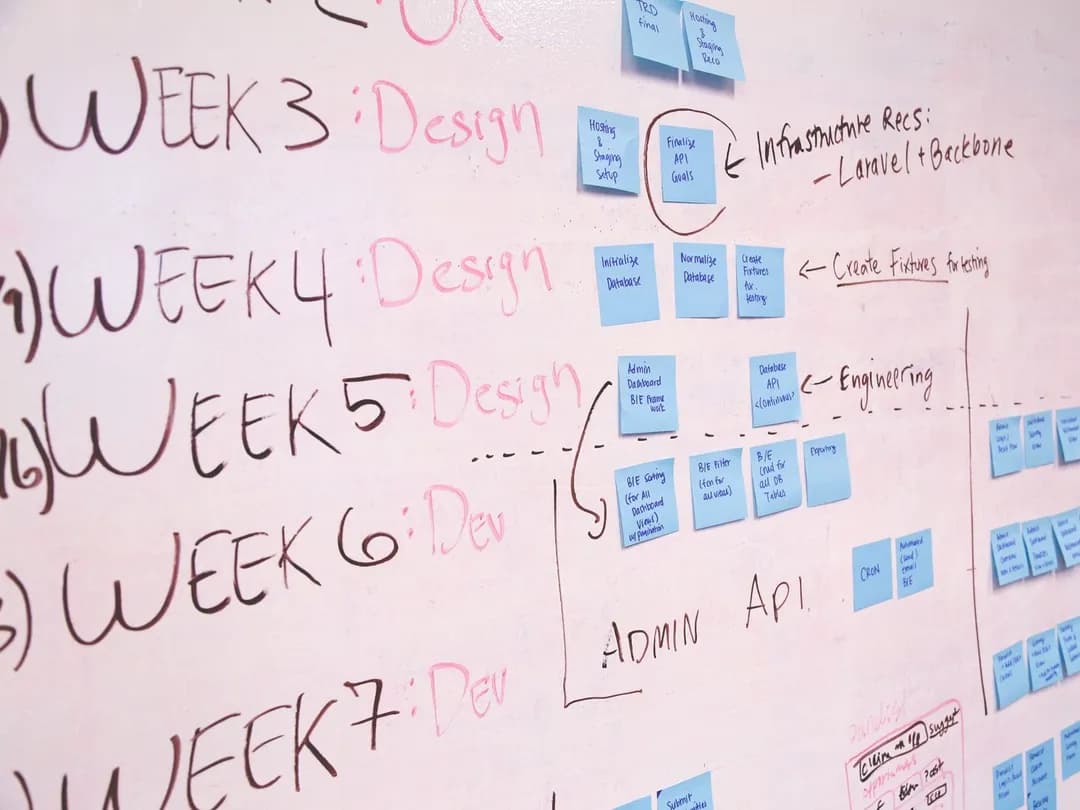
Step-by-Step Blueprint
- Define goals
- Map the funnel
- Identify key signals
- Centralize data
- Integrate systems
- Automate workflows
- Measure impact
- Scale loops
The implementation loop runs: Signal → System → Automation → Revenue → Learn → Scale. Speed is the ultimate indicator of success.
“Signal + System + Speed = Scalable Growth. If any one of these is missing, growth slows.”
Running B2B Like E-Commerce
The ultimate vision of GTM engineering is simple: run B2B with the speed and precision of e-commerce.
This means:
- Real-time signals
- Automated responses
- Continuous optimization
Companies that achieve this gain a massive competitive advantage.
Final Thoughts
GTM engineering is not a trend. It is the natural evolution of B2B go-to-market in a world driven by data, AI, and buyer independence.
- Organizations that invest early will move faster.
- They will waste less.
- They will learn quicker.
- They will grow more predictably.
“The future of B2B belongs to teams who engineer growth — instead of chasing it.”
Engineer your growth instead of chasing it
We help B2B teams connect buyer signals, CRM and data platforms, ad systems, and AI into one closed-loop GTM engine, so growth becomes predictable instead of accidental.

Ready to turn signals into booked pipeline?
Book a discovery call and we’ll map out how a signal-led GTM system can accelerate your revenue.